TEAM MEMBERS
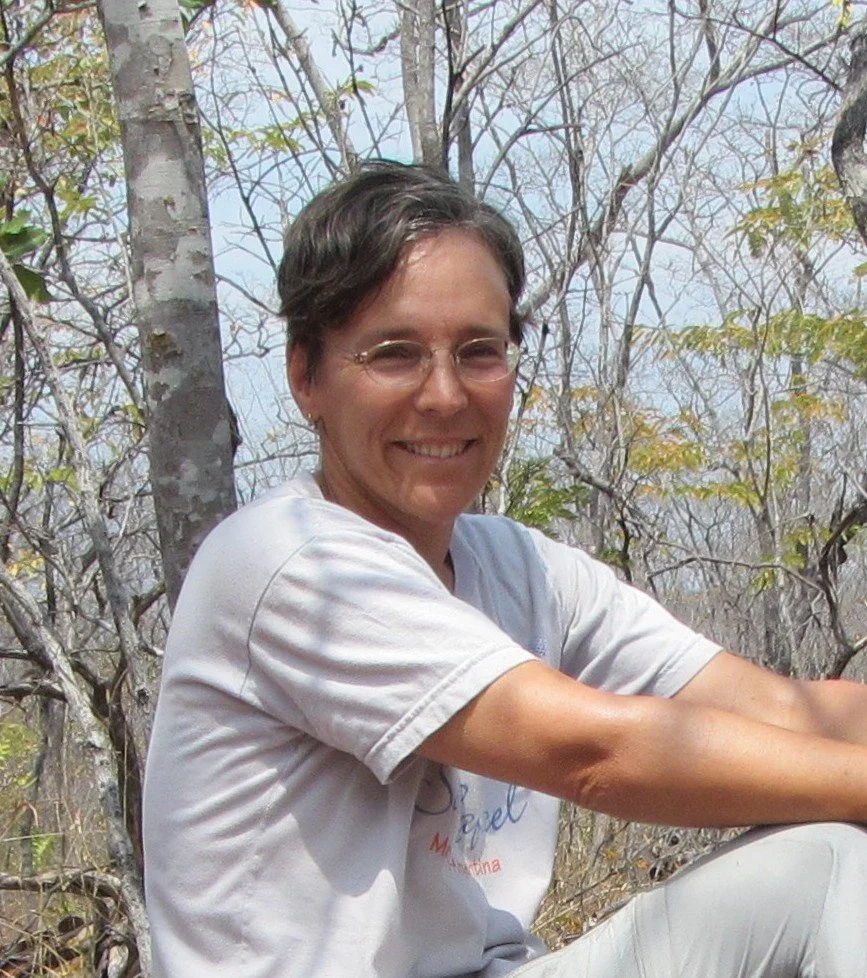
Ariane BURKE
As a paleoanthropologist, my research interests revolve around understanding patterns of land-use in prehistory and the archaeology of climate change. I am particularly interested in modelling the spatial behaviour of Palaeolithic groups and their prey using species distribution models as a means of interpreting past landscapes and understanding the impact of past climate change on human demography and patterns of dispersal. I am currently conducting archaeological surveys in Zambia, uncovering evidence of Middle Stone Age occupation of the Northern Luangwa Valley. I am a member of GEOTOP, the CSBQ and the Oeschger Centre for Climate Change Research (Bern).

MATTHEW PEROS
I am a broadly trained physical geographer working at the interface between the climatological, ecological, and archaeological sciences.
My contribution to the HDRG will be to assist with reconstructions of the earth system to provide environmental context(s) for late Pleistocene migrations and dispersals in western and central Europe.

Masa KAGEYAMA
Director of Research at CNRS. Head of long-term climage modelling team at Laboratoire des Sciences du Climat et de l'Environnement (CLIM team - UMR 8212)
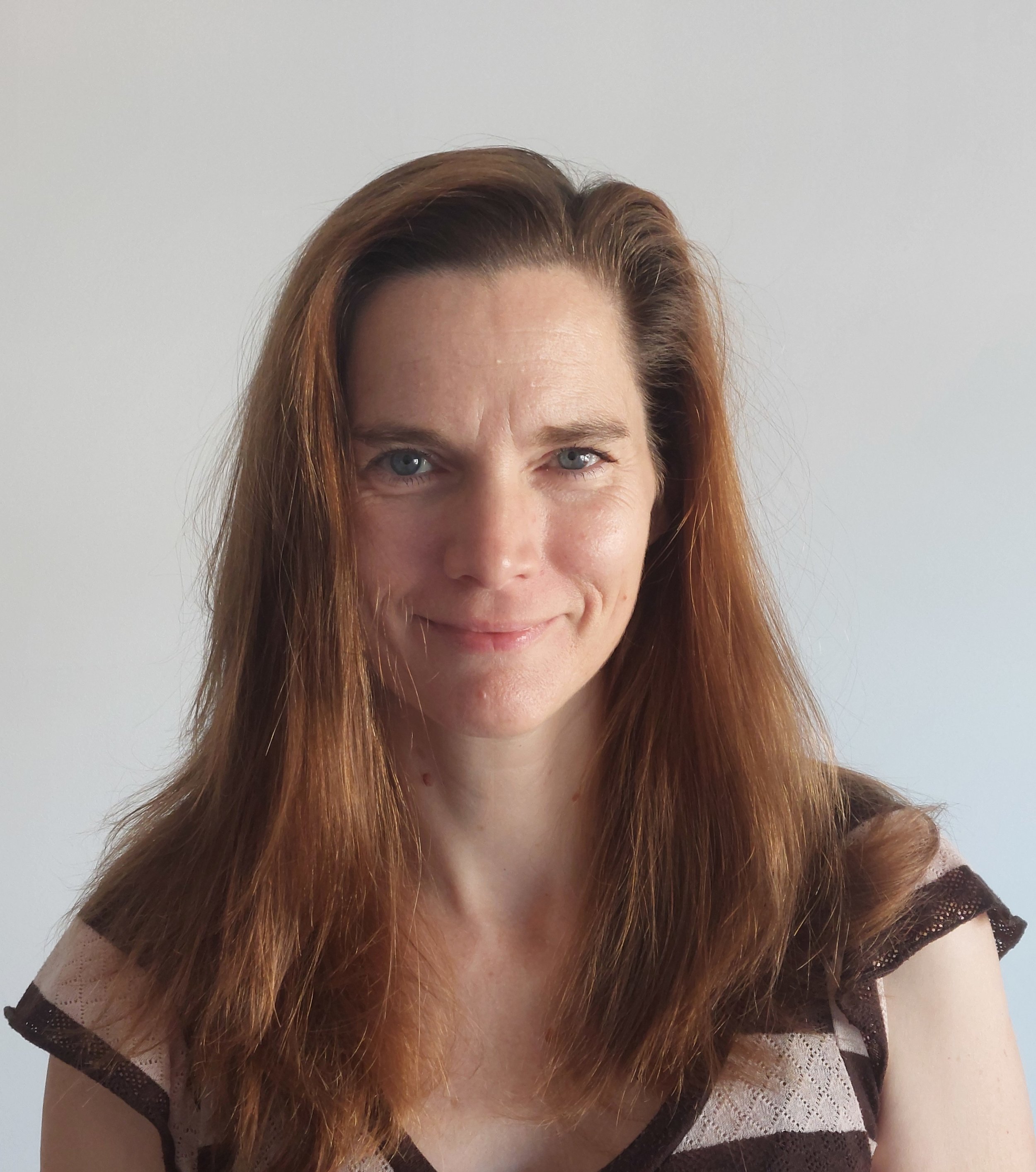
Flora schilt
I am a geoarchaeologist interested in the lifeways and environments of prehistoric foragers. I am currently conducting the SPARKS project, funded by the Dutch Research Council (NWO), which examines the use of fire among Late Pleistocene and Holocene hunter-gatherers in northern Malawi and explores how developments in pyrotechnology may relate to other aspects of human culture, including mortuary practices. I am also involved in projects focusing on the re-investigation of the legacy excavations at Sesselfelsgrotte in Germany and Azykh Cave in Azerbaijan."

MICHELLE DRAPEAU
Several of my research projects are oriented towards gaining a better understanding of the ways in which behaviour is reflected in the skeletton, in order to better understand the morphology of fossil hominids. Behavioural innovations, such as bipedalism and the abandonnement of an arboreal niche, produce morphological changes. These transformations are the expression of adaptive pressures affecting hominids and therefore, enable us to recreate a vital dimension of their evolutionary history.
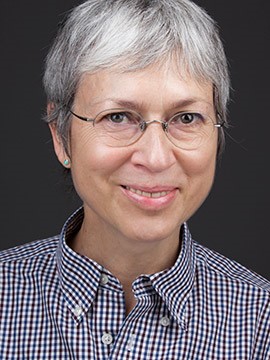
Anne DE VERNAL
Professor at the Université du Québec à Montréal (UQAM), Centre GEOTOP. My research focuses on oceanographic, climatic and environmental changes in mid-to high-latitude marine environments over the last thousand years.


Julien RIEL-SALVATORE
julien.riel-salvatore@umontreal.ca
I am a prehistoric archaeologist interested in the human-environmental interface of major transitions in the human past, especially the Middle-Upper Paleolithic transition and the shift to agriculture; specifically, I focus on the impact humans have had on their environments at these key moments of our species history, as well as the impact of climatic factors on contingent patterns of human evolution. I investigate these questions through both fieldwork in northern Italy (Liguria) and Mozambique and various modeling experiments. Theoretically, I approach these questions from perspective rooted in niche construction theory and evolutionary ecology.

Francesco PAUSATA
Assistant Professor at the Department of Earth and Atmospheric Sciences in the University of Quebec in Montreal. My research focuses on understanding and estimating the role of aerosol particles on atmospheric circulation and ocean circulation and their feedbacks on aerosol distribution. Specifically I use global climate models and observational data to characterize variations in climate variability in the North Atlantic and tropical region associated to gradual (e.g., anthropogenic) or rapid (e.g.,volcanic eruptions) changes in aerosol burden. I also work on past climate dynamics with particular focus on the last deglaciation, interpreting the signal recorded in proxy records with the help of climate models.

Timothée Poisot
Associate Professor at the department of Biological Sciences at the University of Montreal.
Research interests: Computational ecology, Biostatistics, Community ecology, Modeling, Machine learning
COLLABORATORS
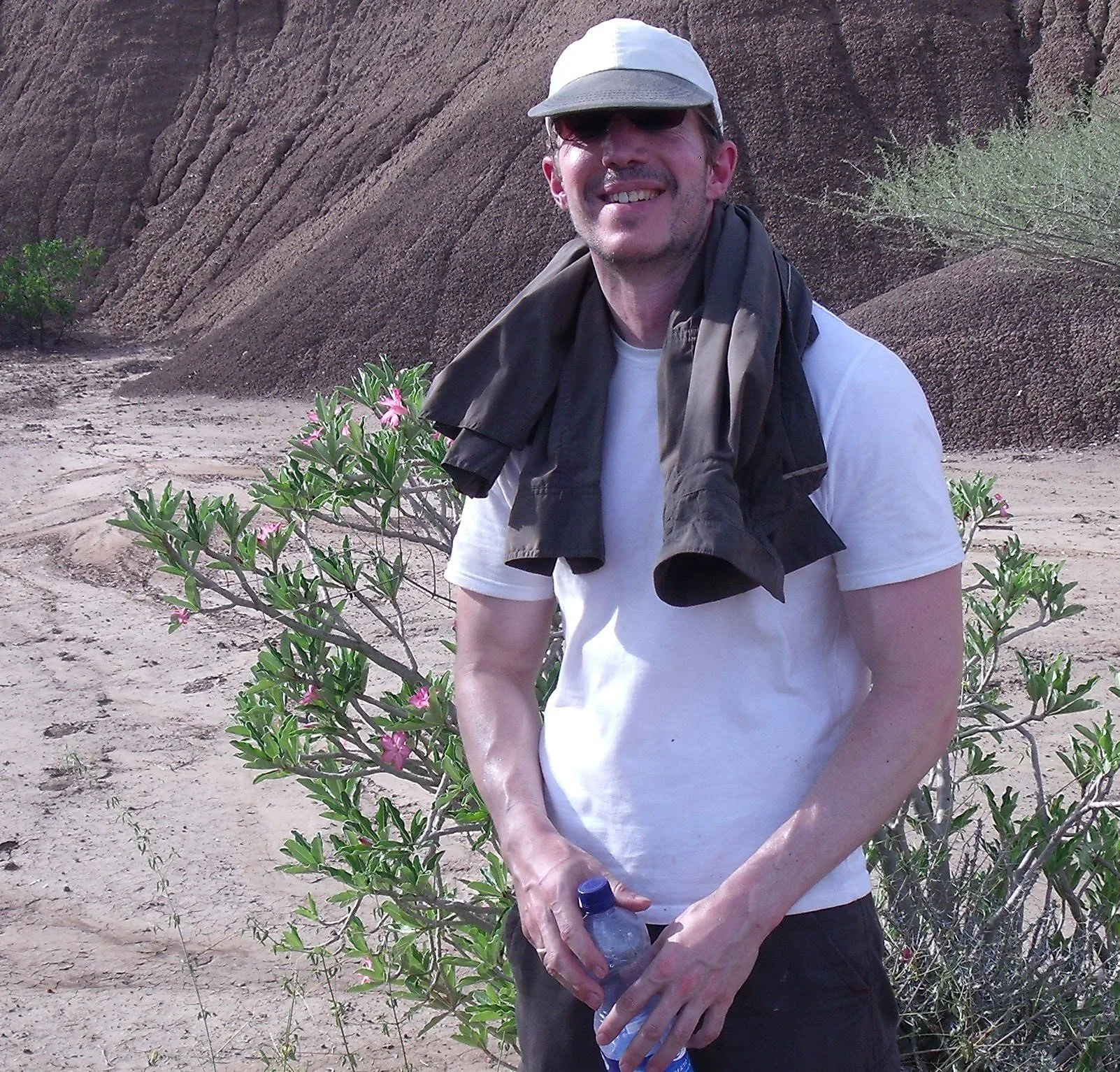
matt grove
Professor of Evolutionary Anthropology, Department of Archaeology, Classics and Egyptology, University of Liverpool, UK
I am an evolutionary anthropologist with interests in the Middle Stone Age of Eastern Africa, the effects of palaeoclimatic change and variability on hominin evolution and dispersal, the evolution of hominin life history, and the evolution of hominin cognition and culture. I also work on developing new quantitative and computational methods for studying the archaeological and palaeoenvironmental records.
PAST members

LILIANA PEREZ
Research interests: spatial analysis and modeling and geographic information systems (GIS) can provide insights and context into complex problems such as climate change, landscape ecology, and forestry by explicitly representing phenomena in their geographic context. My research focuses on the inherent multidisciplinary nature of Geographical Information Science (GIScience) to investigate the relationships between ecological processes and resulting spatial patterns.

Michael BISSON
Professor, Department of Anthropology at McGill University.
Research Interests: Archaeology, Middle Palaeolithic, Iron Age, experimental archaeology, lithic typology, metallurgical and lithic technology, Central Africa, Europe.

Andreas Maier
Junior professor at the Institute of Prehistoric Archeology, University of Cologne
Research interests: Cultural Evolution, Human-Environment-Relationships in the Palaeolithic, Upper Palaeolithic in Central and Eastern Europe, Palaeodemography

olivier moine
My work focuses in particular on the impact of climatic variability on the periglacial paleoenvironments of western and central Europe Specifically, I am interested in building a dynamic spatio-temporal environmental framework for the last Ice Age, particularly between 35,000 and 20,000 years ago, in order to better constrain the impact of climatic and environmental variations on the spatio-temporal dynamics of prehistoric settlements.

James KING
As a geomorphologist I study the interactions of the wind and sediment and their impact on the climate, specifically focusing on increasing our ability to predict wind erosion by focusing on small-scale variables that can change the threshold of sediment transport up to large-scale transport mechanisms that alter ecosystem functions. With an approach that combines field measurements with novel methodologies, remote sensing, and atmospheric reanalysis data with empirically-based models, my research attempts to identify and improve model parametrization of dust transport processes and their direct and indirect effects.

COLIN WREN
Assistant Professor at University of Colorado, Colorado Springs. I am interested in reconstructing past foraging and mobility behavior, human-environment interactions, and the evolution of complex cognition through methods such as agent-based modeling and spatial analysis. As a part of the HDRG, I am developing models of human-human and human-environment interaction in Western Europe during the Last Glacial Maximum.
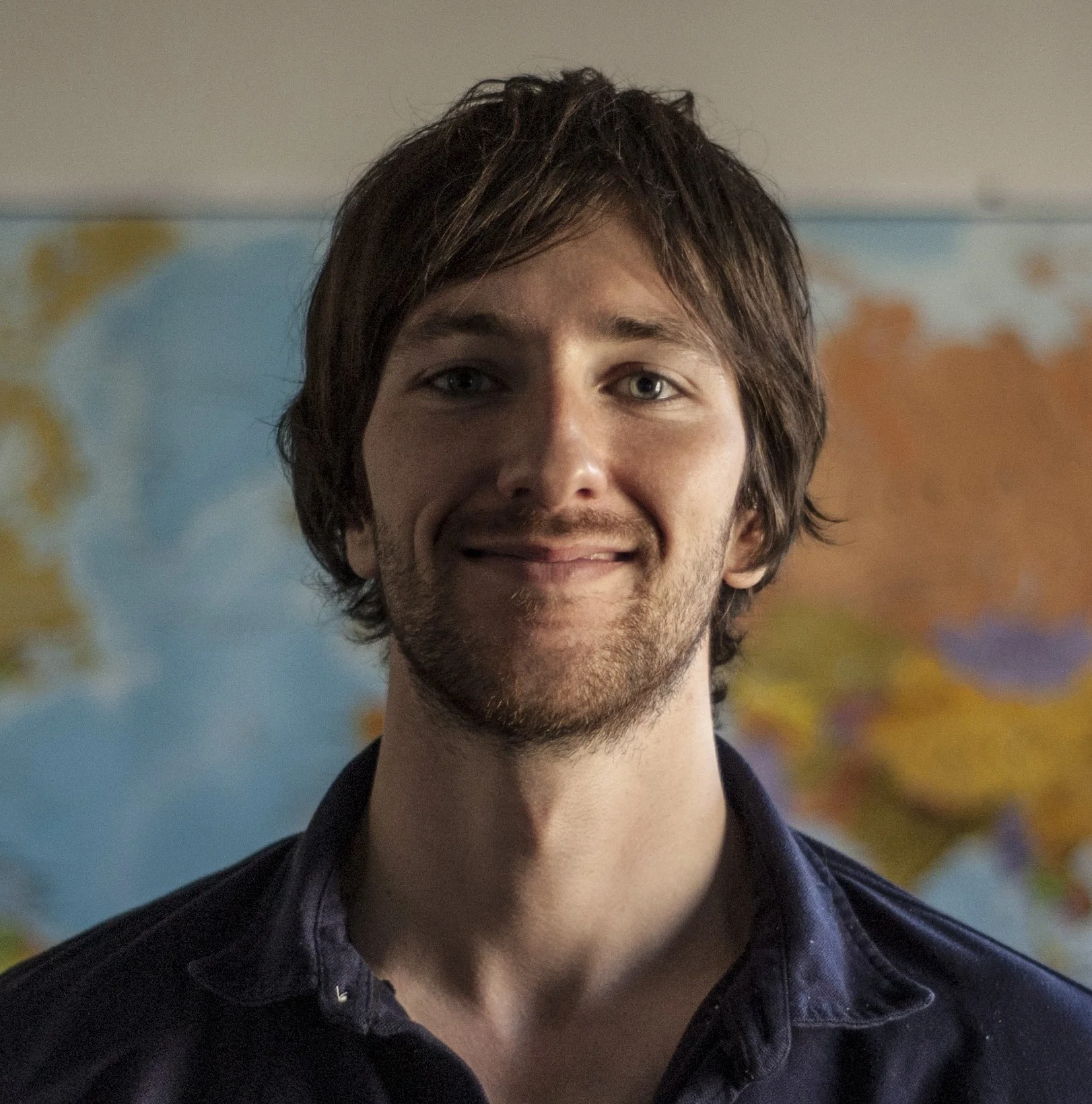
Benjamin Gwinneth
benjamin.gwinneth@umontreal.ca
Benjamin is a biogeochemist and an assistant professor of palaeoecology in the Department of Geography at the Université de Montréal. He uses proxies applied to lake sediment cores to reconstruct ecological responses to environmental changes in the past, mostly in the context of Mesoamerica and the Lowland Maya response to drought.
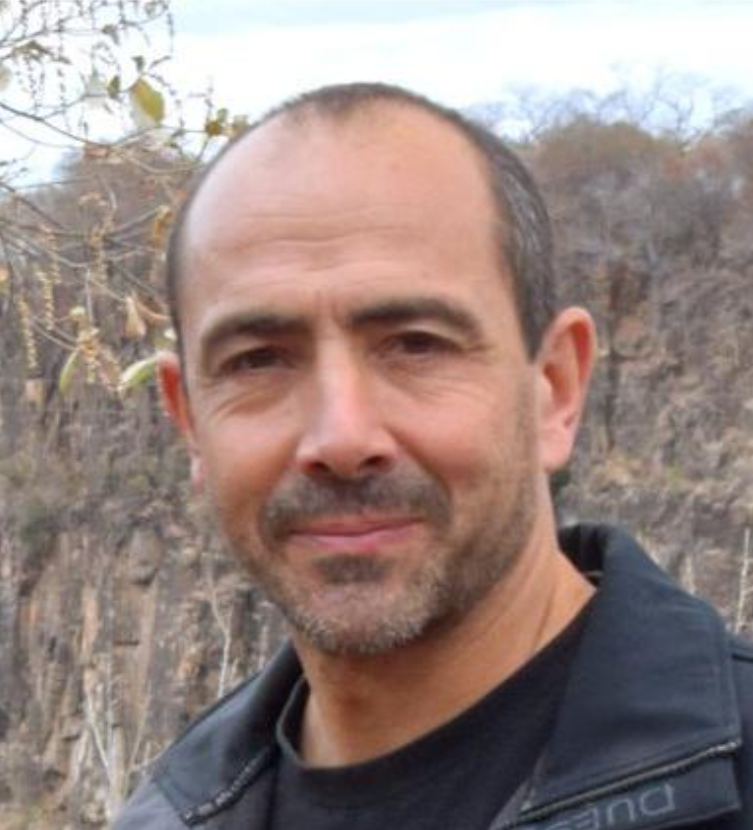
Laurent BRUXELLEs
Senior researcher at the French National Center for Scientific Research, TRACES lab, Toulouse, France
Honorary fellow, University of the Witwatersrand, Johannesburg, South Africa
Cave scientist and geoarchaeologist, my researches focus on the landscape evolution and past environments related to prehistoric populations.

Claude HILLAIRE-MARCEL
hillaire-marcel.claude@uqam.ca
His research, sanctioned by more than 300 publications and several scientific awards and distinctions, has begun to address various aspects of the climate-ocean system dynamic, through both geochronology and isotopic tracers of past and present peoples' conditions. Hillaire-Marcel provides the essential expertise for the geochemistry of isotopes of oxygen, carbon, nitrogen and strontium.

Mathieu VRAC
Leader of the ESTIMR team. CNRS Research scientist at Laboratoire des Sciences du Climat et de l'Environnement (UMR 8212)